
Drinking on an empty stomach accelerates the process, making you feel drunk faster and more intensely. Several factors influence how drunk you feel and how your body processes alcohol. At the extreme end of intoxication, you might experience a blackout, which occurs when alcohol prevents the brain from forming new memories. A person in a blackout may still appear to be functioning—talking, walking, or even interacting with others—but they won’t remember any of it the next day. You may engage in reckless behavior or put yourself and others at risk without realizing it.
The effects of alcohol on different people
There isn’t a particular treatment that people recommend to get rid of sleep drunkenness. However, you can try getting a good night’s sleep every night. It’s important to sleep about eight hours to function efficiently. If you wake up and feel disoriented, tired, and confused, you might be experiencing sleep drunkenness. Waking up from a deep sleep makes us energized and lets us take on the days. Sleep drunkenness is a feeling of reflex after waking up or sudden action.
Social Context and Its Influence
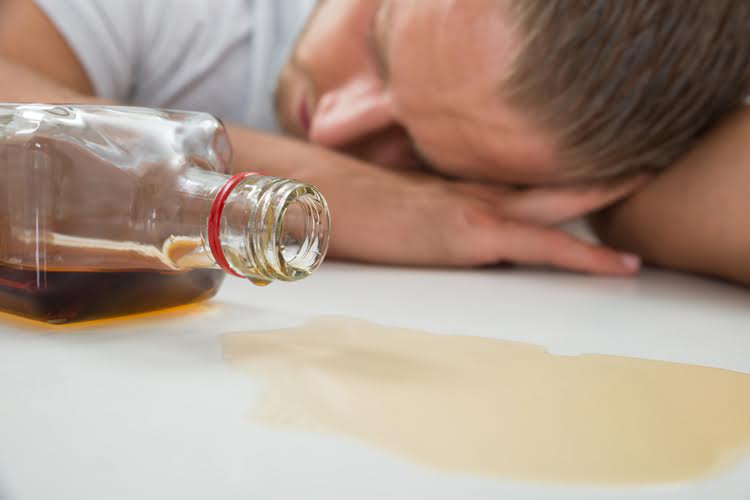
This can exacerbate existing mental health issues and impact overall well-being. Tolerance to alcohol refers to the body’s ability to handle higher levels of alcohol without experiencing the same level of impairment. When you drink alcohol, ethanol makes its way from the stomach to the small what does feeling drunk feel like intestine, where it is absorbed into the blood. The blood then carries it to the organs like the liver and the brain. Alcohol influences not only physical health but also significantly impacts a person’s behavior and emotional state.
Reasons Why You Feel Drunk Without Drinking
In addition to physical symptoms, being drunk can lead to a range of emotional and psychological effects. Initially, many people report feeling euphoric, happy, and more social. This is because alcohol stimulates the release of neurotransmitters like dopamine and serotonin, which contribute to these feelings. The severity of the loss of coordination and slower reflexes Alcoholics Anonymous can vary depending on the amount of alcohol consumed, the individual’s body weight, gender, and other factors.
- Drinking on an empty stomach accelerates the process, making you feel drunk faster and more intensely.
- Alcohol seeps into the brain, affecting the different parts of your body’s motherboard as you drink more and more.
- From there, it travels to various organs and systems, affecting the central nervous system (CNS) in particular.
Alcohol acts as a disinhibitor, weakening the neurotransmitters that restrain impulsive and dangerous behaviors, such as aggression. It can lead to a decrease in inhibitions and an increase in risk-taking behaviors. One common physical sign of alcoholism is the alcohol flush reaction, where blood vessels in the face dilate, causing redness. This occurs due to the body’s inability to fully digest consumed alcohol. Over time, this can lead to the development of spider veins on the skin.

No matter the kind of social gathering you are at or how much fun you are having, you should always keep the amount of alcohol you consume under control. In addition, you should know how your body reacts to alcohol and what is the upper limit that you can safely drink before the bad effects start to take over. If you have a habit of drinking every day, then try to limit yourself to one of two standard drinks per day.
What kind of strain does this dual intake put on your heart and other vital organs? It’s important to note that even at lower levels of intoxication, alcohol can still impact coordination and increase the risk of accidents or injuries. Being drunk is a spectrum, ranging from feeling tipsy and sociable to https://www.podcastreachnetwork.com/the-best-way-to-detox-from-alcohol-a-step-by-step-2/ experiencing severe physical and mental impairment. Understanding the stages of drunkenness and how alcohol affects the body can help you make safer decisions when drinking. Whether it’s recognizing when you’ve had enough or helping a friend who’s had too much, knowledge is key to preventing the harmful effects of alcohol.
I Need to Be Dead: I Am Fed up With My Life! How Do I Feel Alive Again?
- By following these tips, you can help keep yourself hydrated and avoid the unpleasant effects of dehydration and hangovers.
- Understanding these factors is important in recognizing and managing one’s alcohol consumption responsibly.
- At this stage, many people enjoy the social and relaxed feelings alcohol brings.
- At this level, the effects of alcohol can be dangerous and potentially life-threatening.
It can help regulate the kidneys and may even prevent kidney stones. Beer also contains nutrients such as polyphenols, which reduce inflammation in the body. I am a passionate beer connoisseur with a deep appreciation for the art and science of brewing. Of course, if one is in the phase of being actually ‘drunk,’ so many things can happen, whether planned, unplanned, intended, or unintended. Most cases of accidents and even crimes happen when one is intoxicated. The effects of dopamine when one is ‘drunk’ affect the efficacy of one making decisions for themselves in certain situations.
And the more alcohol that is consumed, the higher the brain’s tolerance can be for reaching those “positive” effects. More and more alcohol is needed before the brain’s reward center is satisfied. When you consume alcohol, it is absorbed through the stomach lining and into the bloodstream. From that first sip, it takes only five minutes to reach your brain where feel-good endorphins are released.